Ten Days in Patagonia
A journey through wild landscapes at the end of the world
Travel Writer

10 days
Duration
2
Countries
4
Cities
1,200 km
Traveled
I'd been dreaming of Patagonia for years—those jagged granite peaks, the endless steppe, glaciers calving into turquoise lakes. This December, I finally made it to the end of the world, and it exceeded every expectation.
Arrival in the Last Town
After a 3-hour bus ride from Punta Arenas, I arrived in Puerto Natales—a small, colorful town on the shores of Seno Última Esperanza (Last Hope Sound). The wind hit me the moment I stepped off the bus. Patagonian wind is not like other wind; it's a constant, aggressive presence that shapes everything here.
Checked into a cozy hostel and immediately went to explore. The town is charming in its simplicity: corrugated metal houses painted in bright blues and reds, fishermen mending nets by the water, and everywhere the silhouette of distant mountains.
Had my first traditional Patagonian lamb (cordero) for dinner at a local restaurant. The meat literally fell off the bone, slow-roasted for hours over an open flame. A promising start.

Evening light on Last Hope Sound
Highlights
- First taste of cordero patagónico
- Met fellow travelers from Japan
Into the Park
Woke up at 4 AM for the drive to Torres del Paine National Park. The pre-dawn darkness gradually gave way to pink and gold as we approached the park entrance. Nothing prepares you for that first view of the Torres—three granite towers rising impossibly from the earth.
Started the day with an 8-hour hike to the base of the Torres. The trail winds through lenga forests, past waterfalls, and up a steep moraine of boulders. Every turn reveals a new vista. My legs were screaming by the end, but reaching the mirador at the base of the towers made every step worth it.
The lake at the base was that surreal glacial blue that photographs never quite capture. I sat there for an hour, just watching clouds play around the peaks.
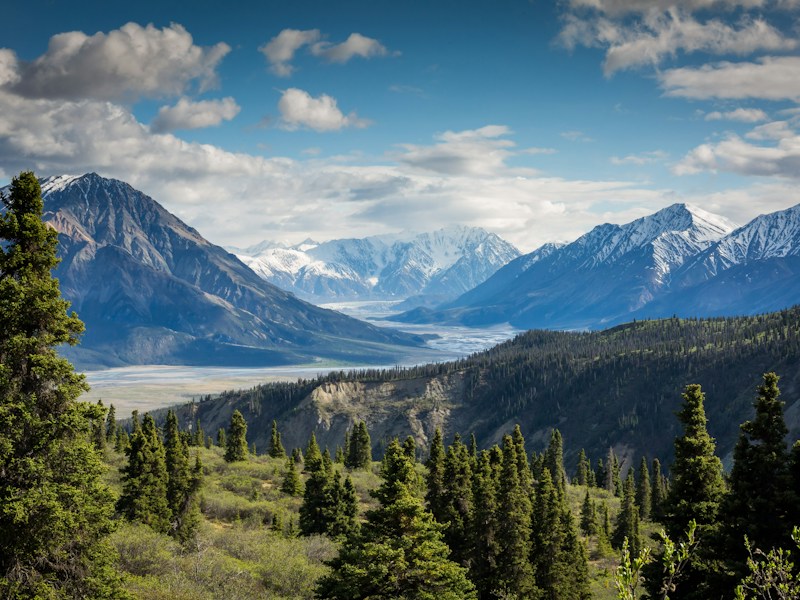
The iconic three towers at golden hour
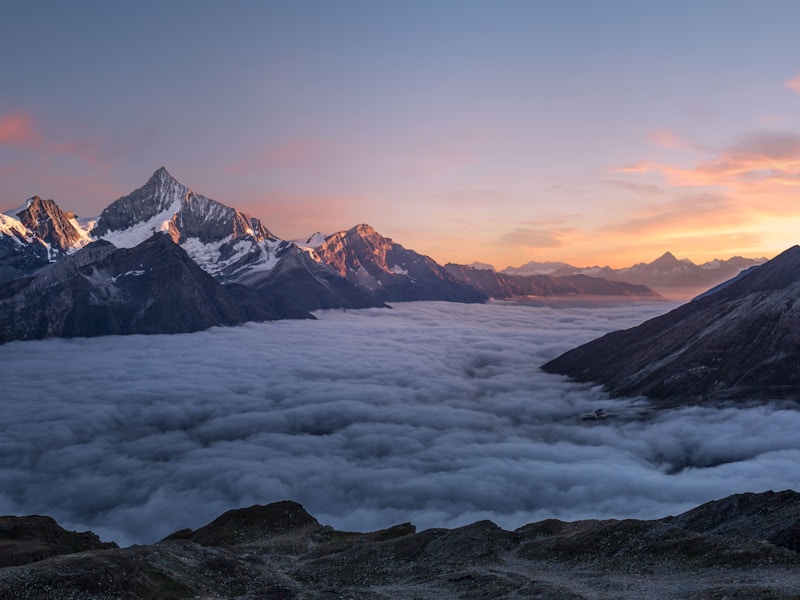
Glacial lake at the base
Highlights
- Hiked 22 km in one day
- Saw condors circling above
- Glacial lake at sunrise
The Living Glacier
Crossed the border into Argentina and made my way to Los Glaciares National Park. Today's destination: Perito Moreno, one of the few advancing glaciers left in the world.
The boardwalks take you impossibly close to the glacier face—close enough to feel the cold radiating off the ice, to hear the groans and cracks as the glacier slowly moves. Then, without warning, a house-sized chunk of ice calved off with a thunderous roar and crashed into the lake below. I must have waited an hour for another calving, camera ready.
The glacier is enormous—5 km wide, 60 m high at the face, and extending 30 km back to the Southern Patagonian Ice Field. It's a humbling reminder of the raw power of nature.

The massive ice wall of Perito Moreno
Highlights
- Witnessed glacier calving
- Walked on ice during mini-trekking
- Drank whiskey with glacial ice
The Trekking Capital
El Chaltén is a tiny village that exists purely for hikers. It was founded in 1985—one of the youngest towns in Argentina—as a way to establish sovereignty in this remote corner of the country. Today, it's known as the trekking capital of Argentina.
The main draw here is Fitz Roy, the jagged peak that graces countless Patagonia gear logos (yes, including that one). I set out on the Laguna de los Tres trail at dawn, determined to see the mountain without clouds—a rare occurrence.
After three hours of hiking through forest and open steppe, I reached the final ascent: a steep 400-meter climb up loose rock. And then, suddenly, there it was. Fitz Roy, perfectly clear, its granite spires glowing orange in the morning sun. I cried. I'm not ashamed to admit it.
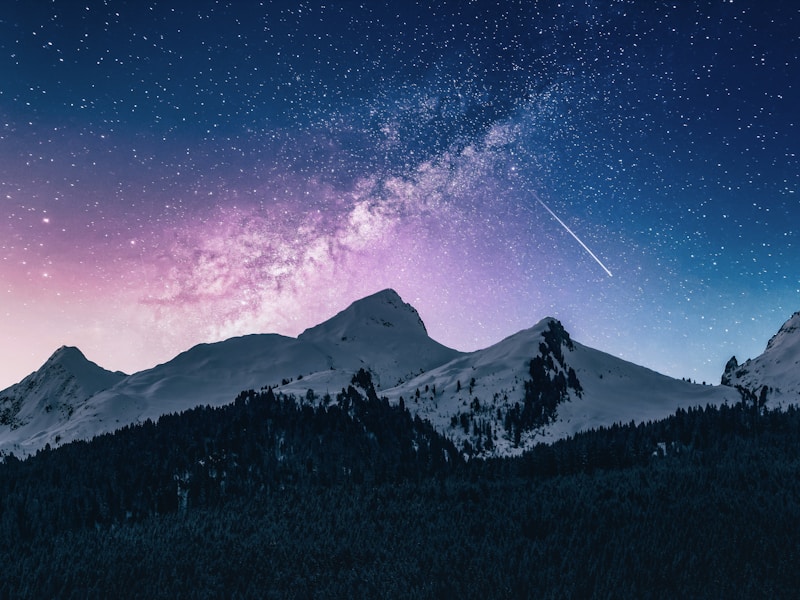
Fitz Roy at sunrise—the holy grail of Patagonia shots
Highlights
- Clear view of Fitz Roy
- Met the kindest hostel owner
- Best empanadas of the trip
Ten days was not enough. Patagonia is the kind of place that gets under your skin, that calls you back before you've even left. The landscapes here operate on a scale that's difficult to process—everything is bigger, wilder, more extreme. I'm already planning my return. Next time: the Carretera Austral.
About the author
Marco BelliniTravel photographer and writer exploring remote corners of the world. Currently based in Buenos Aires, documenting South American adventures.


